
 3 weeks ago
15
3 weeks ago
15

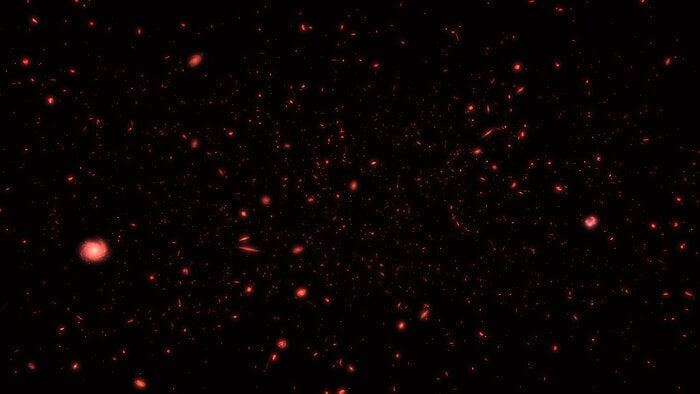
A few hundred million years after the Big Bang, the first stars ignited - literally the “let there be light” moment for the universe. Now known to astronomers as Population III, or Pop III, stars, these giants were very different from the stars we know today. They were formed out of pristine hydrogen and helium, with almost no “metal” (i.e. other elements) holding them back. They were also huge, growing to tens to hundreds of times larger than the Sun. And they died young, in many cases collapsing into the universe’s earliest black holes. Some of those black holes even partnered up, eventually colliding into one another and creating gravitational waves that, if we have instruments sensitive enough, we could potentially detect. A new study led by astrophysicist N.V. Krishnendu of the University of Birmingham and their colleagues shows just how much we can learn about them with the new suite of gravitational detectors about to come online.



 English (US)