

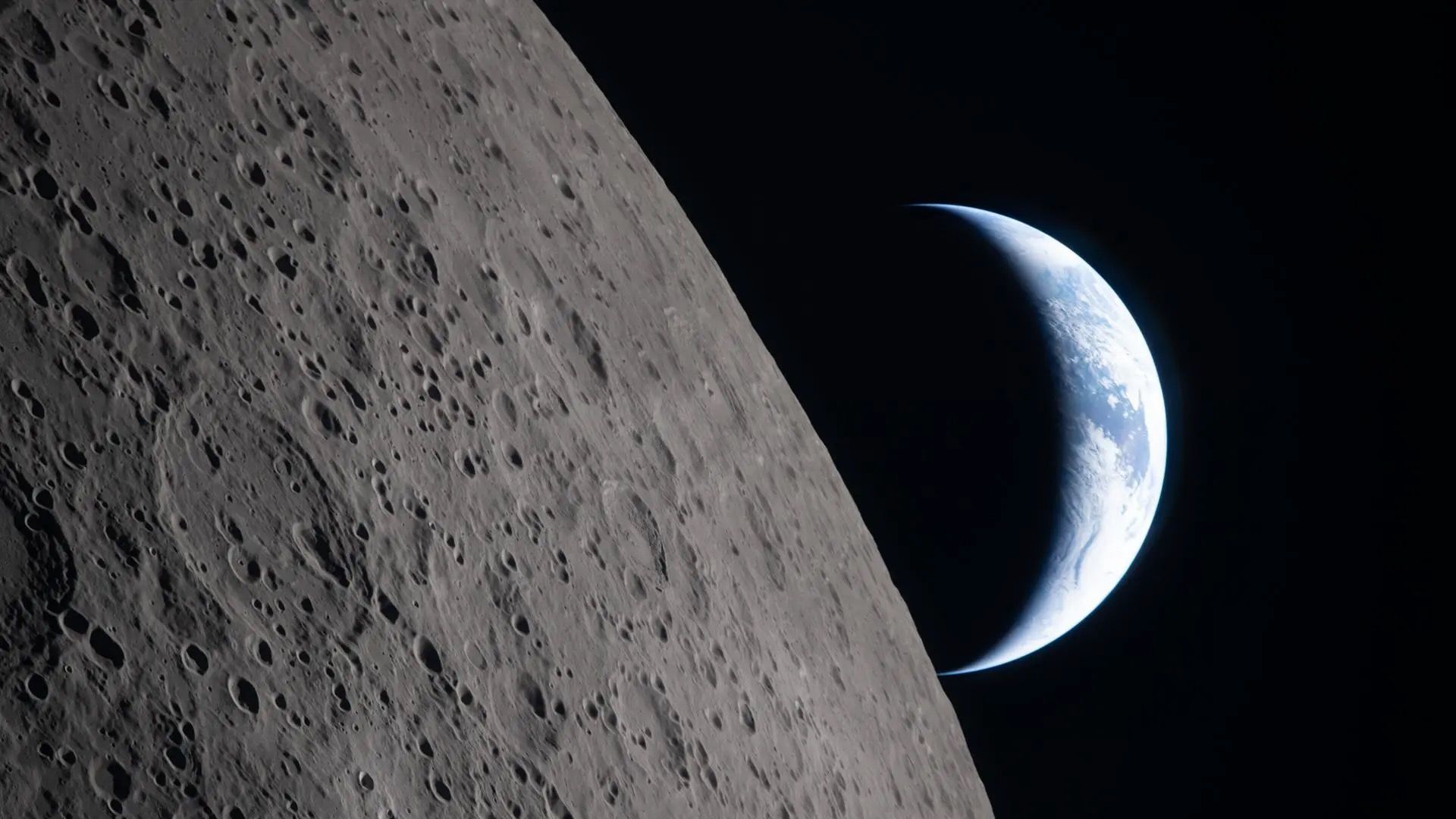
Since launching in 2009, NASA's Lunar Reconnaissance Orbiter (LRO) — a robotic satellite about the size of a minivan — has taken more than 3 million photos of the lunar surface. This week, scientists studying a few hundred of those photos announced what they're calling a "once-in-a-century" discovery: the biggest, freshest impact crater ever seen in the solar system. It's the result of a building-size meteorite that slammed into the moon just two years ago.
The new lunar pockmark, named McGetchin crater after the late geologist and lunar scientist Tom McGetchin, is about 728 feet (222 meters) wide, on average, and 141 feet (43 m) deep — imagine a hole as long as two American football fields and deep enough to fit a 14-story building inside.
"We know generally that there's more small things in space than there are large things, so that means we tend to get a lot of small cra...



 English (US)